Scuba Diving in Cozumel, Mexico
Cozupro offers small-group scuba diving in Cozumel with Stéphane Bourgault, a PADI instructor who speaks English, French and Spanish. Everything is included, there is no time limit in the water, and you book directly with him on WhatsApp.
Welcome to the Cozupro Diving Family!
Why dive with Cozupro?
Stéphane has been a PADI instructor since 2009 and has lived in Cozumel since 2012. He has made more than 10000 dives here, and he takes small groups: four divers is his preference, six at most.
Most of his dives last between 50 minutes and 1 hour. He refuses to penalize divers for the air consumption of others or to cap everyone at a fixed time. When a diver reaches 700 psi, Stéphane sends up a surface marker buoy. That diver makes a 3-minute safety stop at 15 feet (5 meters) on the buoy line while Stéphane keeps watching, then waits at the surface for the boat, and the rest of the group continues the dive at 30 to 40 feet (9 to 12 meters). That is why your dive ends when your air ends, not when the clock says so.

The diver down flag: a red flag with a white diagonal stripe, flown to warn boats that divers are in the water nearby.
Marine life in Cozumel
Marine life in Cozumel
Marine life in Cozumel
Most dives in Cozumel put you face to face with Caribbean reef fish, green moray eels, sharks and sea turtles, all year long. Spiny lobsters about a foot long and king crabs of 40 to 50 cm hide in the reef, and nudibranchs of about 1 cm reward patient eyes.
Spotted eagle rays are the only seasonal highlight: from November to the end of March, males with wingspans of 3 to 4 meters cruise the reef. Cozumel is also home to the splendid toadfish, found nowhere else in the world. It can show up on any site, almost daily at Yucab and Punta Tunich, but you need a sharp eye to find it in its hiding place.
On night dives, expect octopus, crabs and lobsters, and sometimes bioluminescent plankton once the lights are turned off.
Cozumel dive sites by level
Cozumel dive sites by level
Cozumel dive sites by level
Cozumel has more than 30 dive sites, and Stéphane picks the day’s site according to the group’s experience and the conditions, so you rarely dive the same reef twice. Depths below are in feet, with meters in parentheses.
Beginner sites
- Colombia Shallow: small reef at 15 to 30 feet (5 to 9 meters)
- Caracolillo: very colorful reef at 25 to 60 feet (8 to 18 meters)
- Punta Dalila: small wall from 30 to 60 feet (9 to 18 meters), moderate current
- San Francisco: shallow sloping wall starting at 30 feet (9 meters), full of tiny marine life
- San Clemente: shallow reef at 25 to 45 feet (8 to 14 meters) with very little current
- Santa Rosa Shallow: gentle reef at 30 to 45 feet (9 to 14 meters)
- Goodrich: 30 to 55 feet (9 to 17 meters), moderate current
- Tormentos: colorful reef at 35 to 60 feet (11 to 18 meters), moderate current
All levels
- Palancar (Brick, Cuevones, Cave, Horseshoes and Garden): coral mountains, walls and many swim-throughs
- Colombia Deep: mix of mountains, walls and swim-throughs
- La Francesa: small wall and flat reef at 40 to 65 feet (12 to 20 meters), moderate to stronger current, good odds of sharks and turtles
- Paso del Cedral: platform at 35 to 60 feet (11 to 18 meters) with green moray eels, sharks and turtles, stronger current
Advanced sites
- Maracaibo and Punta Sur: deep mountains and walls, Nitrox recommended, special trip
- Devil’s Throat: X-shaped swim-through entered at 75 feet (23 meters), with exits at 112 and 127 feet (34 and 39 meters), a very short dive
- Punta Tunich Wall: wall starting at 40 to 60 feet (12 to 18 meters), strong current, turtles and splendid toadfish
- C-53 shipwreck: offered with the Advanced course, Stéphane takes you inside the wreck
Our tours by tank
Meet at the Asipona marina at 9:00 a.m. for a 2-tank boat dive with food, drinks and park fees included. Night dives leave 30 minutes before sunset, and flashlights can be rented.
Our snorkel tours
Snorkelers share the boat with the divers and get in the water twice a day, for about 50 minutes each time, on reefs where the top of the reef is shallow. Equipment is provided.
Our scuba program
Beginners: Discover Scuba Diving
A Discover Scuba Diving session lasts 45 minutes to 1 hour, to a maximum depth of 45 feet (12 meters). Stéphane takes one beginner at a time, or a couple or a family together, and nearly all sessions are done by boat.
PADI Open Water courses:
Stéphane certifies with PADI only. You do the online theory at home before your trip, so you start the practice on day one. Equipment, PADI registration and park fees are included.
our equipment for rent:
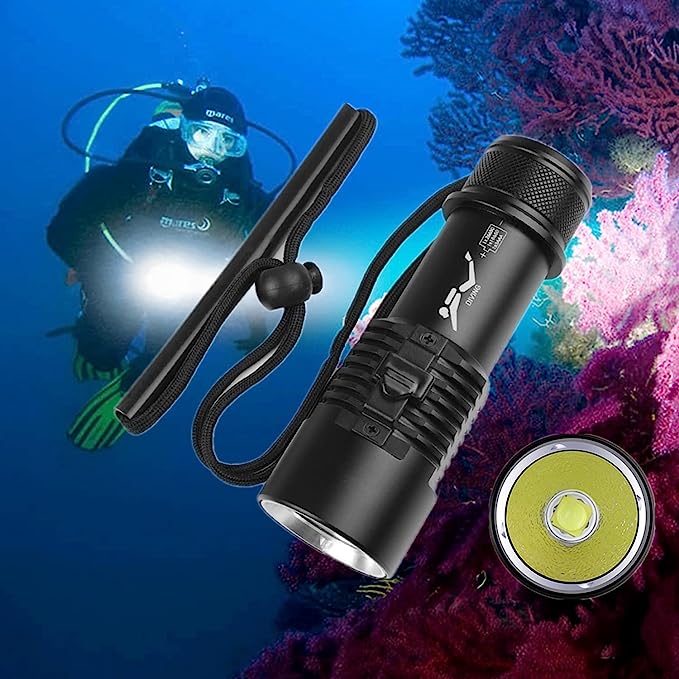
Lamp
$150.00
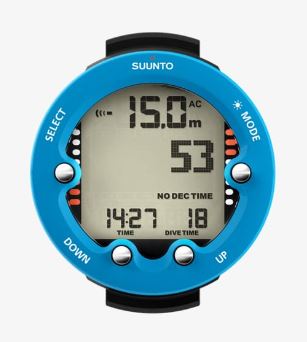
Dive computer
$150.00
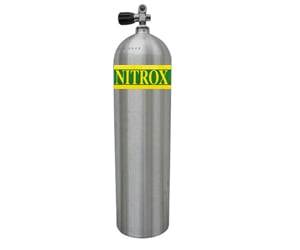
Nitrox 100 feet cube
$300.00
Nitrox 80 feet cube
$200.00
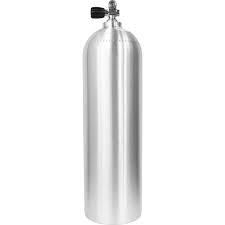
Tank 100 feet cube
$100.00
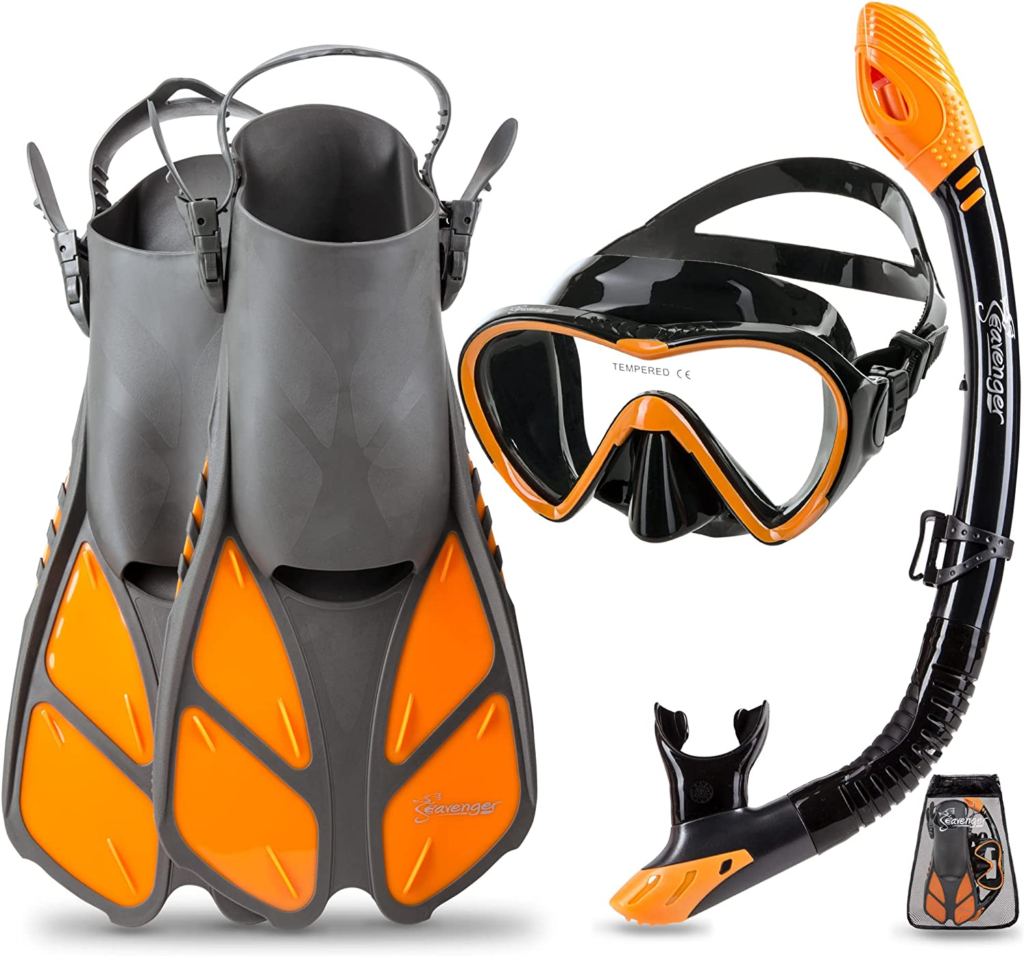
Fins mask and snorkel
$100.00
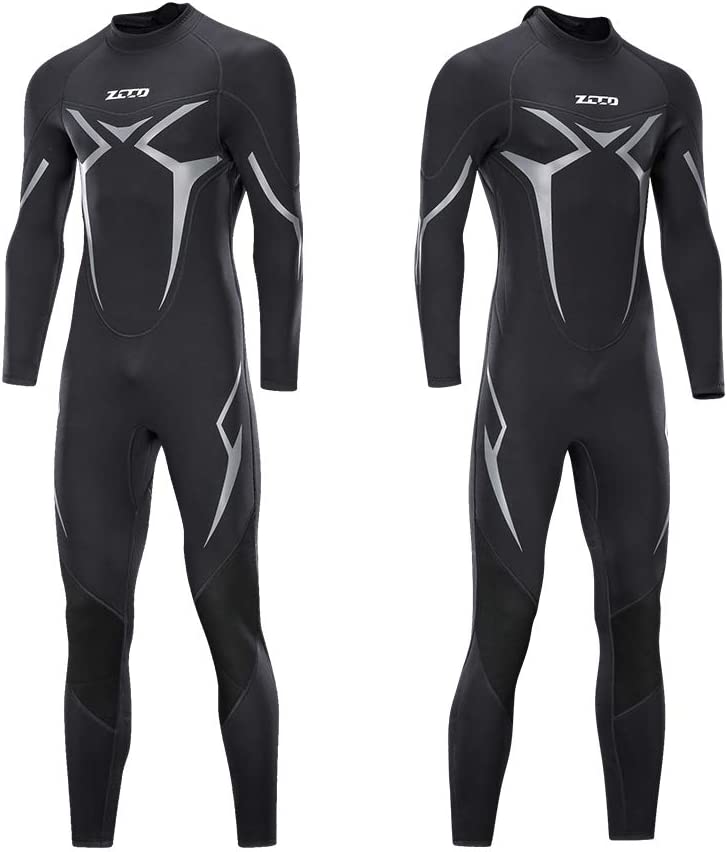
Wetsuit
$150.00
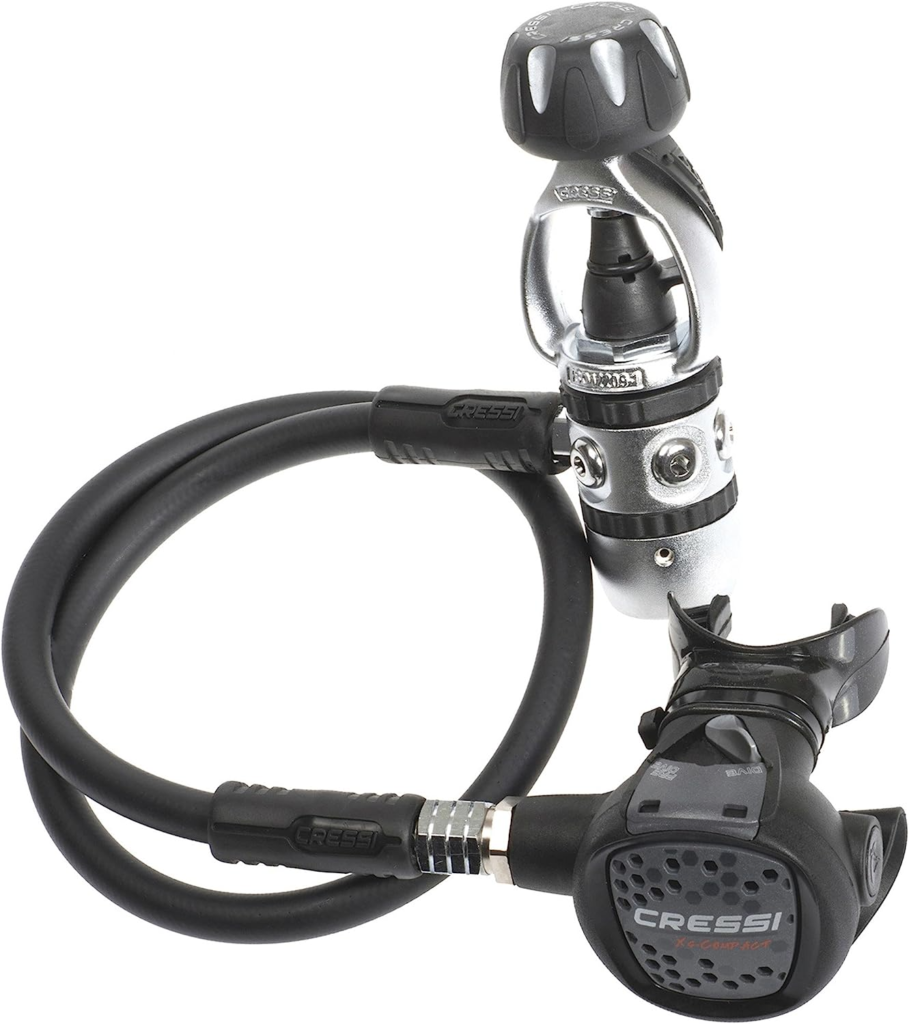
Regulador
$150.00
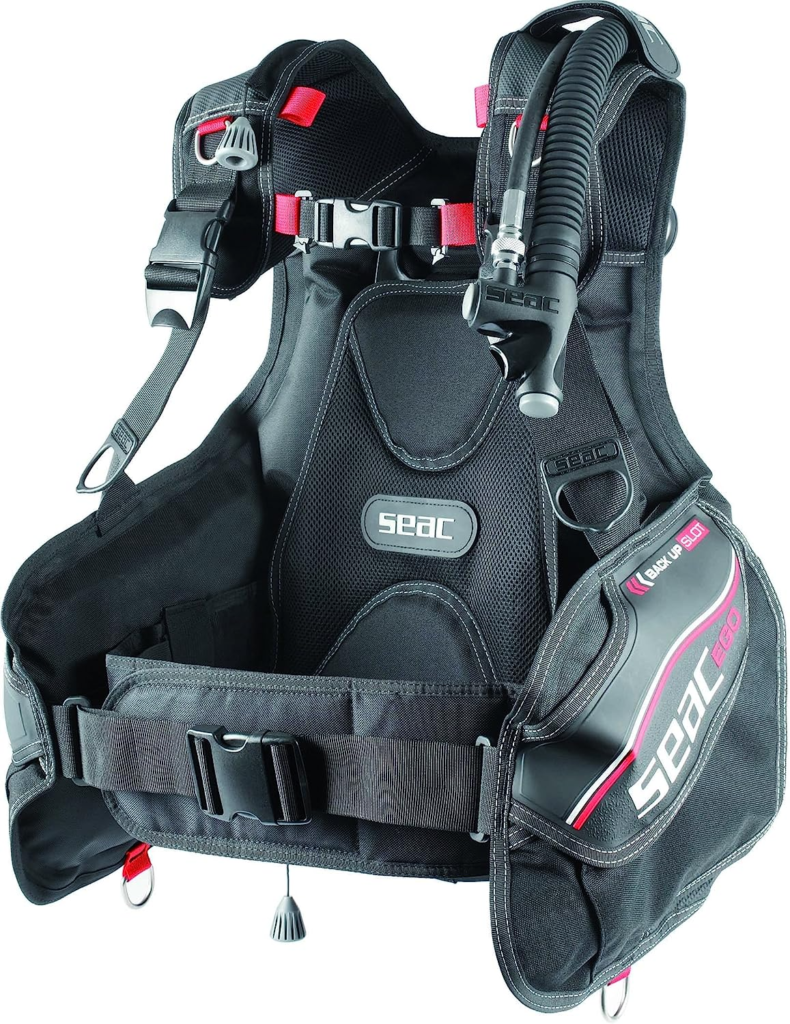
BCD
$150.00
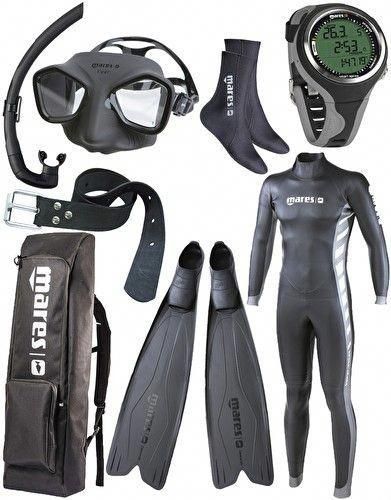
Equipo completo
$400.00
Meet your instructor, Stéphane Bourgault
From a career change to Cozumel
Stéphane worked in textile and construction before becoming a divemaster, then a PADI instructor in January 2009. From 2008 to 2012 he taught diving around the world: Crete, Honduras, Thailand and Canada.
In 2012 he was about to sign a one-year contract in the Maldives when someone in Cozumel asked for his help. He cancelled the contract and came over. About 70% of the clients at that dive center were people he had brought himself, so he decided to settle in Cozumel for good.
His experience in numbers
- 18000+ dives in total, including 10000+ in Cozumel
- 1000+ Discover Scuba Diving sessions
- 600+ divers certified at every level
- 3 languages: French, Spanish and English
Why he stays independent
Stéphane likes his guests to be well served, whether they come for a course or a fun dive. His diving philosophy fits in one sentence: discover new horizons while respecting marine life, and have a great day doing it. Ready to dive with him? Send him a message or write on WhatsApp.
A day on the boat
Meeting point and schedule
- 9:00 a.m.: meet at the Asipona marina
- 9:30 a.m.: the boat leaves
- 3:00 to 3:30 p.m.: back at the marina (the farther the site, the later the return)
Details on what is included are in the 2-tank dive page.
The boat and the crew
Stéphane works with a small family-run Mexican company that has operated in Cozumel since 1968, and he has dived with its crew for 14 years. The boats are slow and comfortable.
- Toilet on board and a roof to sit in the shade
- A hose on two boats out of three, to rinse off the salt water and your gear
- You can leave your equipment on the boat and find it there the next morning
- A captain who focuses on driving and a deckhand who prepares the meals and helps everyone
Lunch on the boat
Lunch is included: fresh fruit (pineapple, watermelon, cantaloupe), sandwiches (tuna salad, ham and cheese, on round bread or croissants), pico de gallo and guacamole with tortilla chips. Vegetarians and guests with allergies or intolerances only need to mention it before the trip.
Discover Scuba Diving, step by step
Discover Scuba Diving is the first underwater experience for people who have never dived. Almost all sessions are done from the boat.
Before you come
- Be in good health (no asthma or heart problems)
- Fill out a medical form and a liability waiver
- No swimming skills needed: your buoyancy vest keeps you afloat, you only need to move your feet
- Minimum age: 10 years old on the boat
- Children aged 6 to 7 can try a bubble maker session in a pool or in about 2 meters of water at the beach
How it works
- At the marina, the instructor sets up your equipment.
- Once the boat leaves, a short theory lesson covers your equipment, what to do in the water and why you go down and up slowly. It is like chapter 1 of the full course.
- Certified divers jump in first, then Stéphane helps the beginners get ready.
- In the water, you breathe at the surface until you are relaxed.
- You go down about half a meter and practice three skills: clearing the regulator by blowing out, clearing it with the purge button and clearing water out of your mask.
- Then you swim along the reef while Stéphane shows you the marine life.
The key numbers
- Maximum depth: 45 feet (12 meters), the PADI standard
- Duration: 45 minutes to 1 hour, depending on how you breathe
- Group: one beginner at a time, or a couple or family who know each other. Larger families come with assistants.
If you feel nervous, this one-on-one approach lets Stéphane take his time, help you relax and, if needed, start with snorkeling first.
Boat or shore?
A shore version exists for very nervous people, but the current can carry you away from the entry point, you have to swim against it on the way back, and you are unlikely to see sharks, turtles or moray eels.
Want to go further?
A Discover Scuba Diving session can count as the first of the four dives of a PADI Open Water course. Stéphane usually recommends doing all four dives of the course if you have the time, because you get more experience. Ask him about it.
PADI courses with a PADI instructor
Certified by PADI only
Stéphane is an Open Water Scuba Instructor and Master Scuba Diver Trainer (OWSI MSDT), one level below Course Director, so he can teach more than 10 specialties. He can take you through every level except the instructor level.
Theory at home, practice in Cozumel
- E-learning done at your own pace before you arrive: 2 days to 2 weeks of reading and 5 videos of about 4 hours in total
- No vacation day lost in a classroom: you start the practical part right away
- The PADI registration that comes with the e-learning, the equipment and the beach or marine park fees are included
- Book about a month ahead, or more. Urgent cases can sometimes be arranged the week before.
Open Water course
The course takes 3 days: skills on the beach on day 1, then 2 dives a day on days 2 and 3, from the shore or by boat. Almost everyone chooses the boat dives, which are far more interesting.
Advanced course
- Required: navigation and deep dives
- Recommended for the other three: buoyancy, night and wreck diving
- The C-53 wreck is offered in this course, with the Atlantis tourist submarine nearby
- Almost any other PADI adventure dive is possible, except those needing ice, a dry suit or an underwater scooter
More courses
Nitrox is a separate course, mostly theory, and Stéphane can also train you as a Rescue Diver or Divemaster. See the contact section to plan your course.
Night dives and snorkeling
Night dives
- Sites: usually Paradise, close to the marina and easy for night navigation, or Chankanaab, Tormentos or Yucab
- Schedule: the boat leaves 30 minutes before sunset, so the time changes with the season
- Format: one dive before sunset, dinner on the boat while the sun goes down, then the night dive
- What you see: octopus, crabs, lobsters and, when the lights are off, glowing bioluminescent plankton (it varies from day to day)
- Certification: no Advanced card needed, but you must be guided by an instructor
- Lights: not included, available to rent
The boat is the best choice: the reef is more concentrated, so there is more marine life, and the boat picks you up instead of making you swim against the current. A shore night dive is only offered if a guest explicitly asks and there is no boat.
Snorkeling
- Snorkelers share the same boat as the divers
- They get in the water after the divers, twice a day, for about 50 minutes each time
- Equipment provided
- Stéphane favors sites with a shallow reef top on those days
- Children: welcome if they can swim or are watched by a parent, ideally from 5 years old
A companion who prefers to stay on board and relax is also welcome, and families can mix diving and snorkeling on the same trip. Just mention it in advance when you message Stéphane.
Water, weather and equipment
Water temperature
- December to April: around 81°F (27°C)
- July to September: about 86°F (30°C)
- The other months change gradually, one degree at a time
Visibility is good all year, but rain reduces it a lot.
What to wear
Stéphane dives in a 3 mm wetsuit all year. Some people dive in a swimsuit, while those who get cold easily, often very slim women, sometimes need 5 mm.
Equipment rental
- Cressi or Mares gear, well maintained and renewed before it gets worn
- All sizes available
- Always an extra: ask for it when you book, at least 24 hours ahead, and it will be brought to the boat for you
If you bring your own gear
- Buoyancy vest (BCD), regulator, wetsuit, mask and fins
- A dive computer is recommended
- A dive light is very nice to look under ledges and into darker caverns
Medical questionnaire and insurance
If you tick a box on the PADI medical questionnaire, you may need a doctor’s signature, and Stéphane can book you an appointment with a dive doctor within 24 hours. Dive insurance is not required but recommended, for example with DAN. See the questions below for the hyperbaric chambers on the island.
Frequently asked questions
How long does the scuba diving trip last?
The tour meets at the Asipona marina at 9:00 a.m., the boat leaves at 9:30 and returns between 3:00 and 3:30 p.m. Each dive lasts 50 minutes to 1 hour, with a surface interval of at least 1 hour between the two dives. There is no fixed time limit: you stay down as long as your air lasts. The farther the site, the later the return.
What languages does the dive instructor speak?
Tours are led in English, French and Spanish by Stéphane Bourgault, a PADI instructor since 2009 who has lived and dived in Cozumel since 2012.
Are the tours private or with large groups?
Groups stay small: Stéphane prefers four divers and never takes more than six, otherwise he brings in another guide. Dive sites are chosen the same morning based on the group’s experience, the weather and the current, and he never repeats the same site twice in a week.
Is diving in Cozumel suitable for beginners, and what is the minimum age?
Yes. About 90% of the sites can be dived by any level of diver, and the northern sites, with stronger currents, are kept for experienced divers. First time divers start with a Discover Scuba Diving session, with Stéphane taking one beginner at a time (or a couple or a family together). The minimum age on the boat is 10 years old, and children of 6 to 7 can try a bubble maker session in a pool or in about 2 meters of water at the beach.
How deep are the dive sites in Cozumel?
Most sites sit between 30 and 65 feet (9 to 20 meters) along drift dives following the island’s reef wall. Beginner reefs such as Colombia Shallow stay between 15 and 30 feet (5 to 9 meters), while Devil’s Throat reaches 127 feet (39 meters) and is reserved for advanced divers.
Which marine animals can we see while diving in Cozumel?
Expect Caribbean reef fish, green moray eels, sharks, sea turtles and tiny nudibranchs on most dives. Cozumel is also home to the splendid toadfish, found nowhere else in the world and easiest to spot at Yucab and Punta Tunich. From November to the end of March, spotted eagle rays are the highlight of the season.
What happens if the weather is bad or the marina is closed?
Tours are only changed or rescheduled when the port authorities close the marina, which happens about ten times a season for 1 to 3 days. Wind from the east is normal and does not stop us. The winds that affect the marine park come from the south-west, west, north-west and north, mostly with the cold fronts of winter, and Stéphane dives where the wind is not a problem.
What is the cancellation policy?
Cancellation is free up to 24 hours before the tour. If you cancel on the morning of the tour, a fee of 1500 pesos applies.
What is included in the price of a 2-tank dive?
Everything is included, with no hidden fees: the standard 80 cubic foot air tank, food and drinks on the boat (fruit, sandwiches and guacamole, with vegetarian options on request), the marina fee, the marine park fee and, when possible, a ride from town to the marina (otherwise, a taxi). Tips for the crew, larger 100 cubic foot tanks, Nitrox and equipment rental are extra.
Is sargassum a problem when diving in Cozumel?
No. Sargassum does not affect the dives at all. In Cozumel it washes up on the beaches of the wild east coast, and nothing changes underwater.
How do I get to Cozumel from Cancun?
You can fly direct to Cozumel, but flights to Cancun are sometimes much cheaper. From Cancun airport, take an ADO bus to Playa del Carmen, then the ferry to Cozumel (about 40 minutes, with departures every 30 minutes). Buy a one-way ferry ticket: a return costs the same, but you may wait up to 2 hours for that company, and three companies run the route.
How long should I wait between my last dive and my flight?
Stéphane recommends waiting 24 hours if you do not have a dive computer. If you do, it will give you the exact waiting time based on the depth and duration of your dives.
Do I need dive insurance, and is there a hyperbaric chamber on the island?
Insurance is not required, but Stéphane recommends it: if something goes wrong, the costs are on the diver, and hyperbaric chamber treatment gets expensive quickly. Cozumel has four hyperbaric chambers. Stéphane has an agreement with International Hospital, and Costamed is also recommended by DAN.
How do I book a diving tour with Cozupro?
The fastest way is to message Stéphane on WhatsApp. You can also use the contact form on this page. In high season, book as early as you can (24 hours ahead at the very least), because places go fast. In low season, you can usually book the day before.